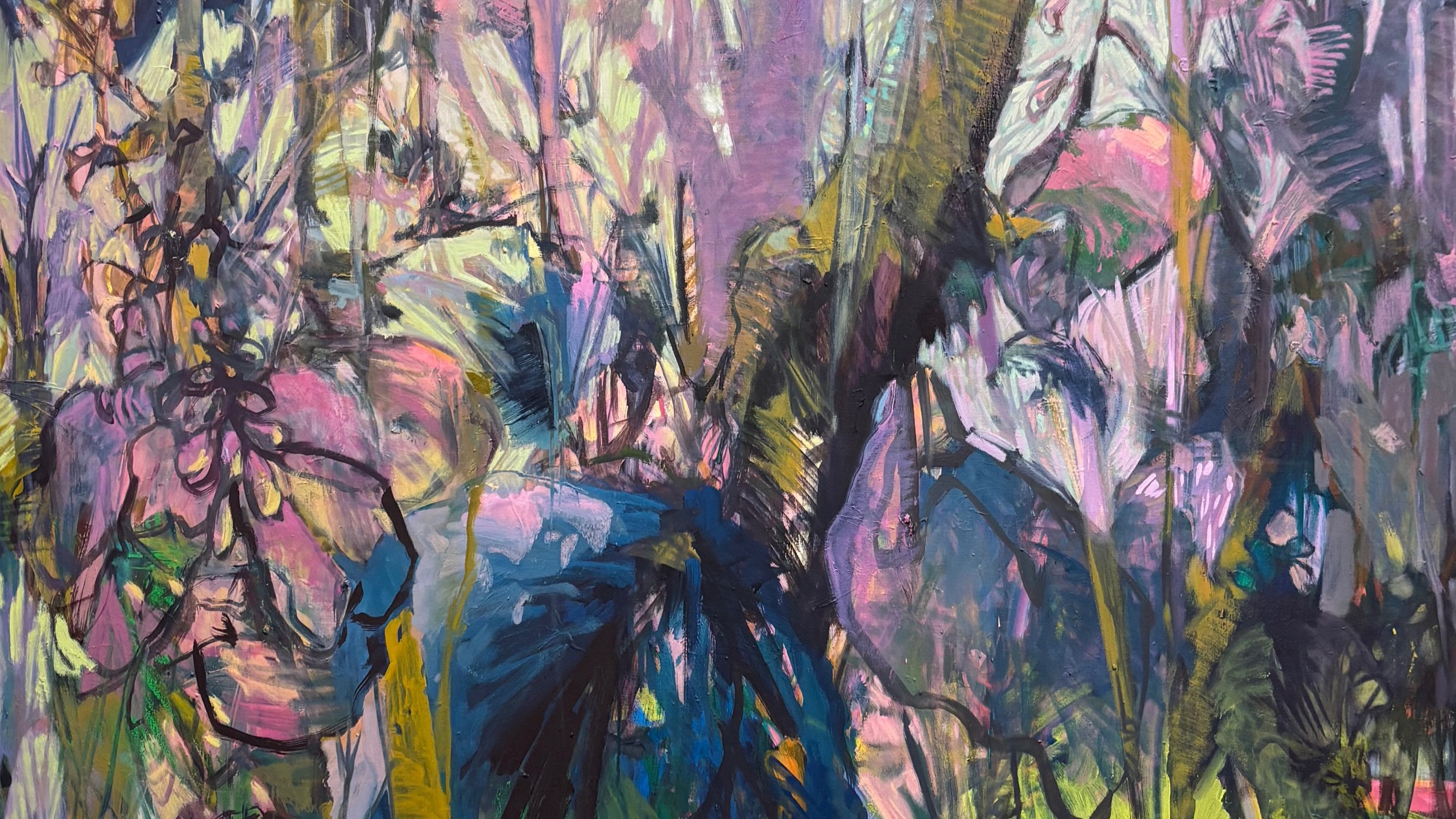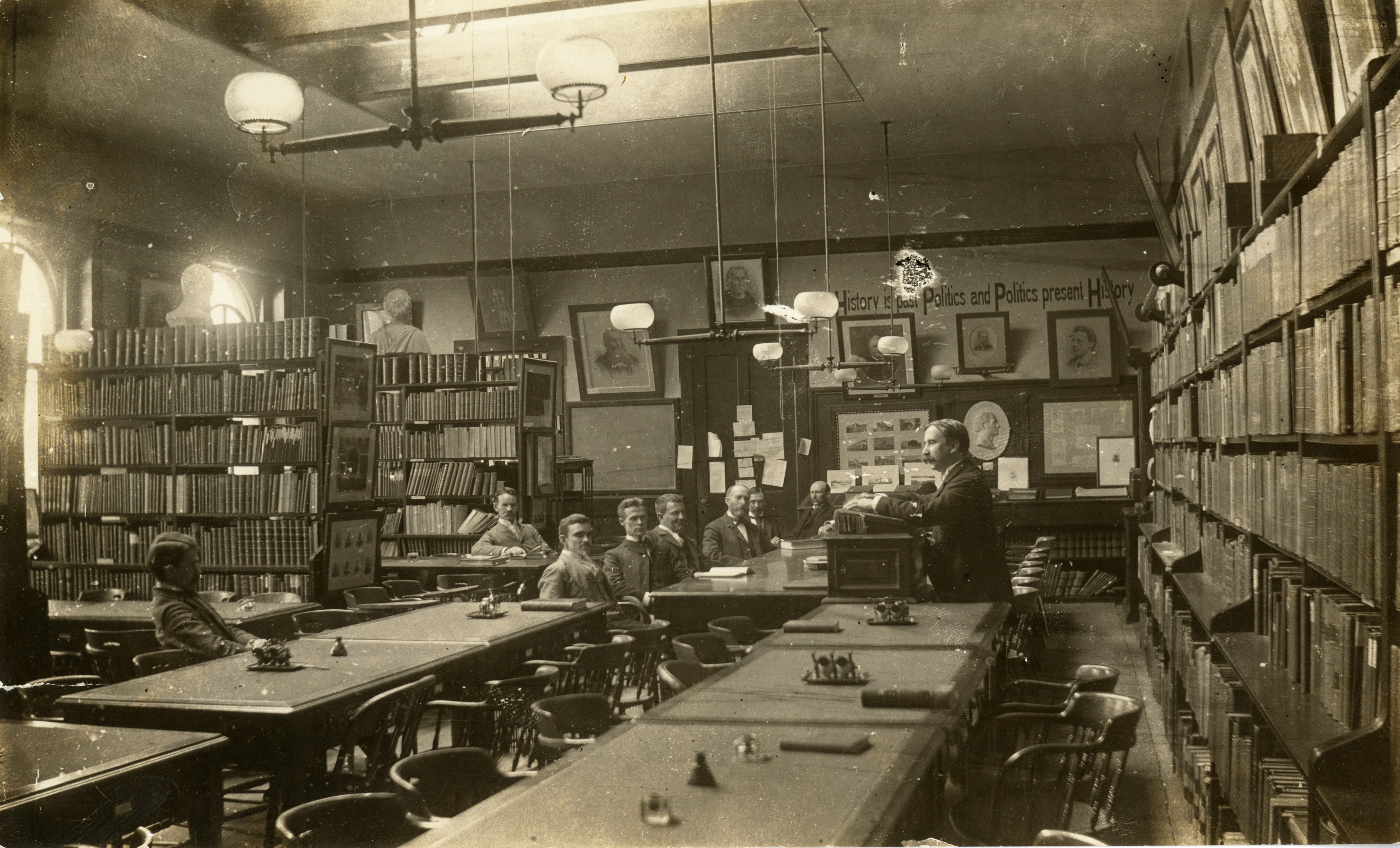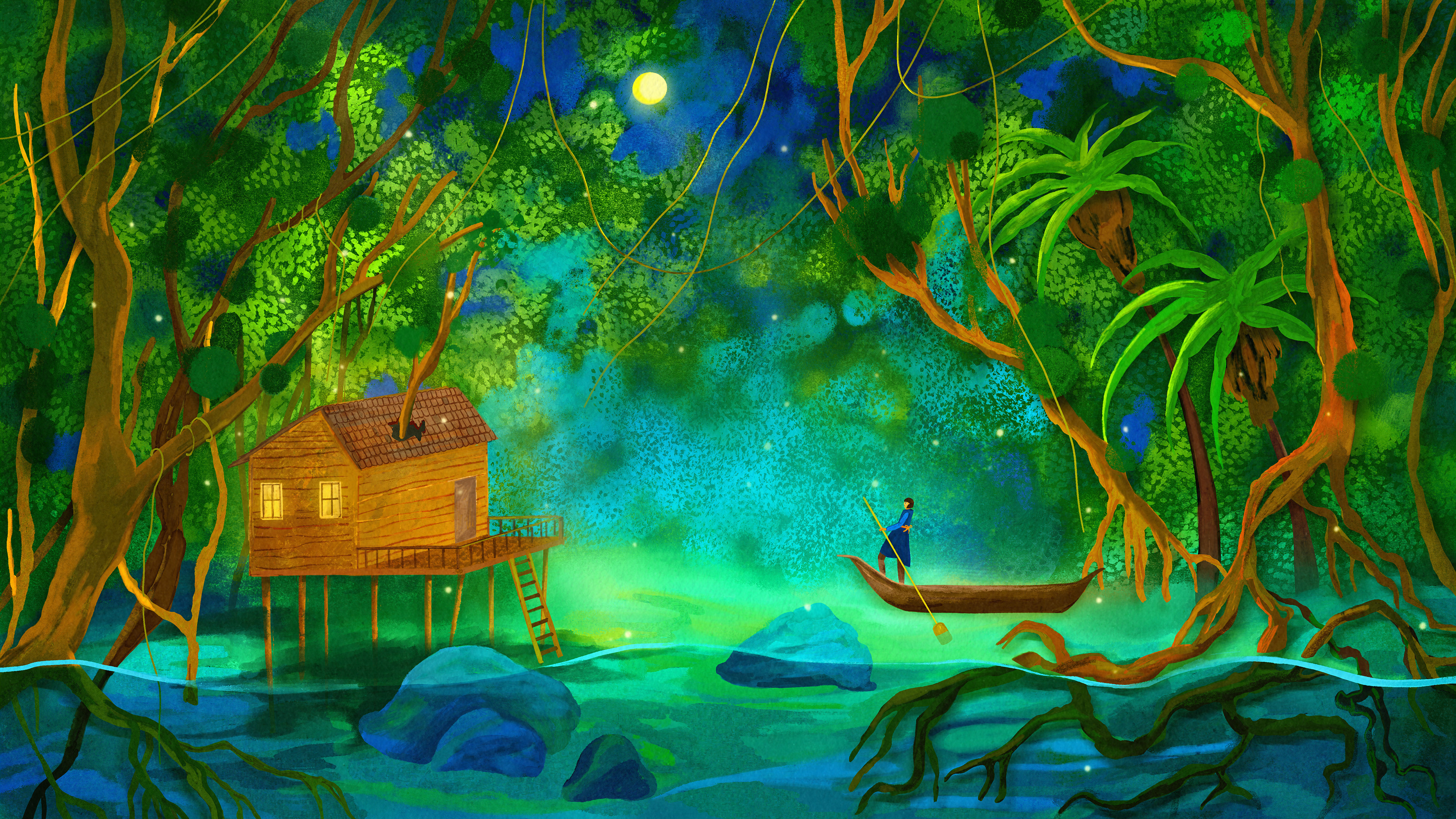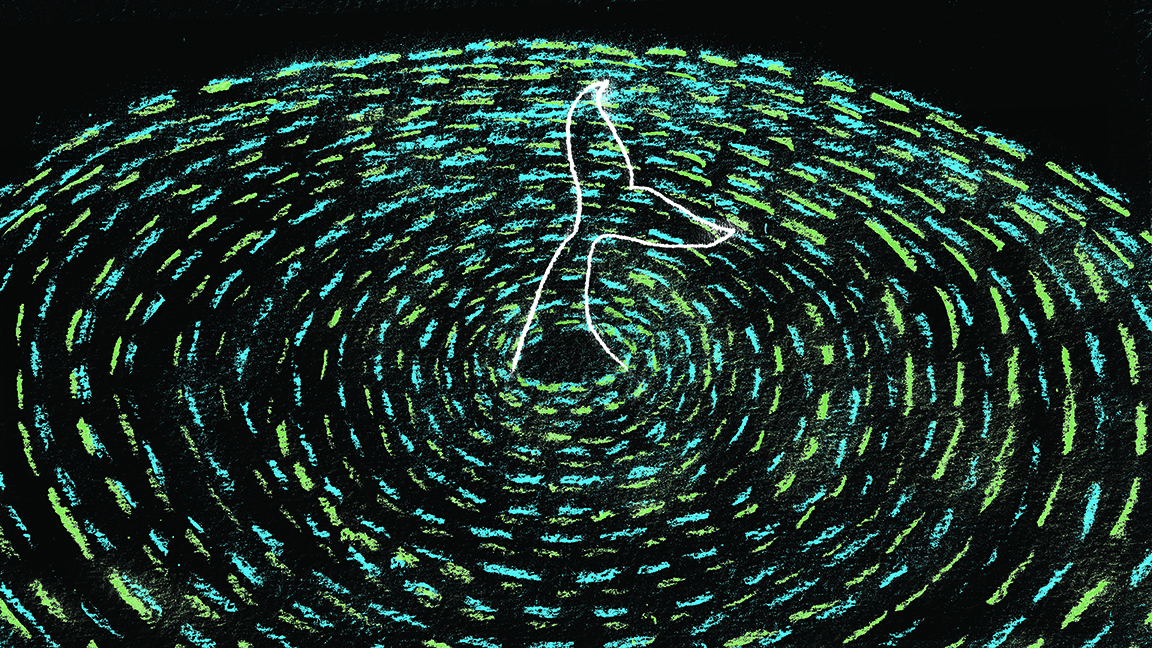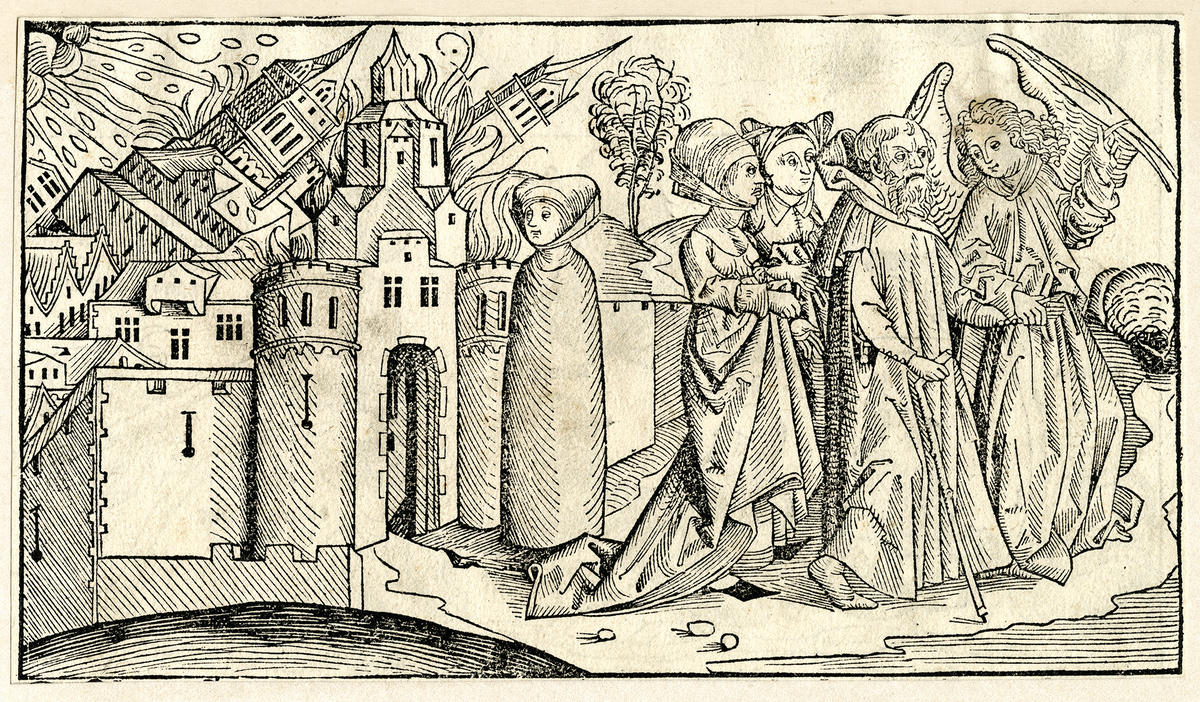

Cars driving, rolling coal. Stories unearthing what was before. Recycled waste reshaping the present. The tenth issue of Springs asks: What is the future of the environment? In “One Woman’s Waste Is Another Woman’s Treasure,” Regina M. Bichler interviews Kim Curtis on using environmental struggles and successes as artistic inspiration. Alexa Weik von Mossner’s essay, “The Futures We Tell,” casts storytelling as a way to effect positive change. Zana Fraillon emphasizes the “mythopoetic power” of narrative and imagination in widening our perspectives to include the nonhuman and temporal realities that persist beyond us. Jamie Wang’s essay extolls storytelling as a relational and ethical practice. In “Mapped Futures, Vanishing Places,” Kumiko Kiuchi portrays the simple act of walking as an opportunity to inherit shared memory. ”Whale Fall” by Michaela Vieser engages with movement and the corporeal in a world in which our fates often mirror others’. The short story “The Mangrove Doesn’t Forget” by Rachel Desiree Felix explores an emotionally resonant relationship between human and environment. In “Thank God for the Coal Rollers” Timothy LeCain is interested in the bridge between humans and materiality. Kate Rigby’s essay reminds readers that religion and its related power structures are foundational to nearly every society. In “The Best is Yet to Come,” Claudia Leal surveys the status of environmental history written about and within Latin America. Lastly, Rob Gioielli’s contribution urges us to reconsider how—and to whom—environmental humanists articulate their findings.